Training in Kilos When the Gym Is in Pounds
Travel, move country, or just join a gym that stocks the other kind of plate, and your entire training log is suddenly in the wrong units.
The conversion is not the problem
One kilo is 2.2046 pounds, and every app can do that arithmetic. The problem is what happens after: 100 kg converts to 220.46 lb, and no gym on earth stocks a 0.46 lb plate.
So a converted number is a number you cannot load. You end up at 225 lb, which is 102.06 kg - close, but not the weight your program asked for, and not a weight that lines up with anything else in your log.
What the plates actually are
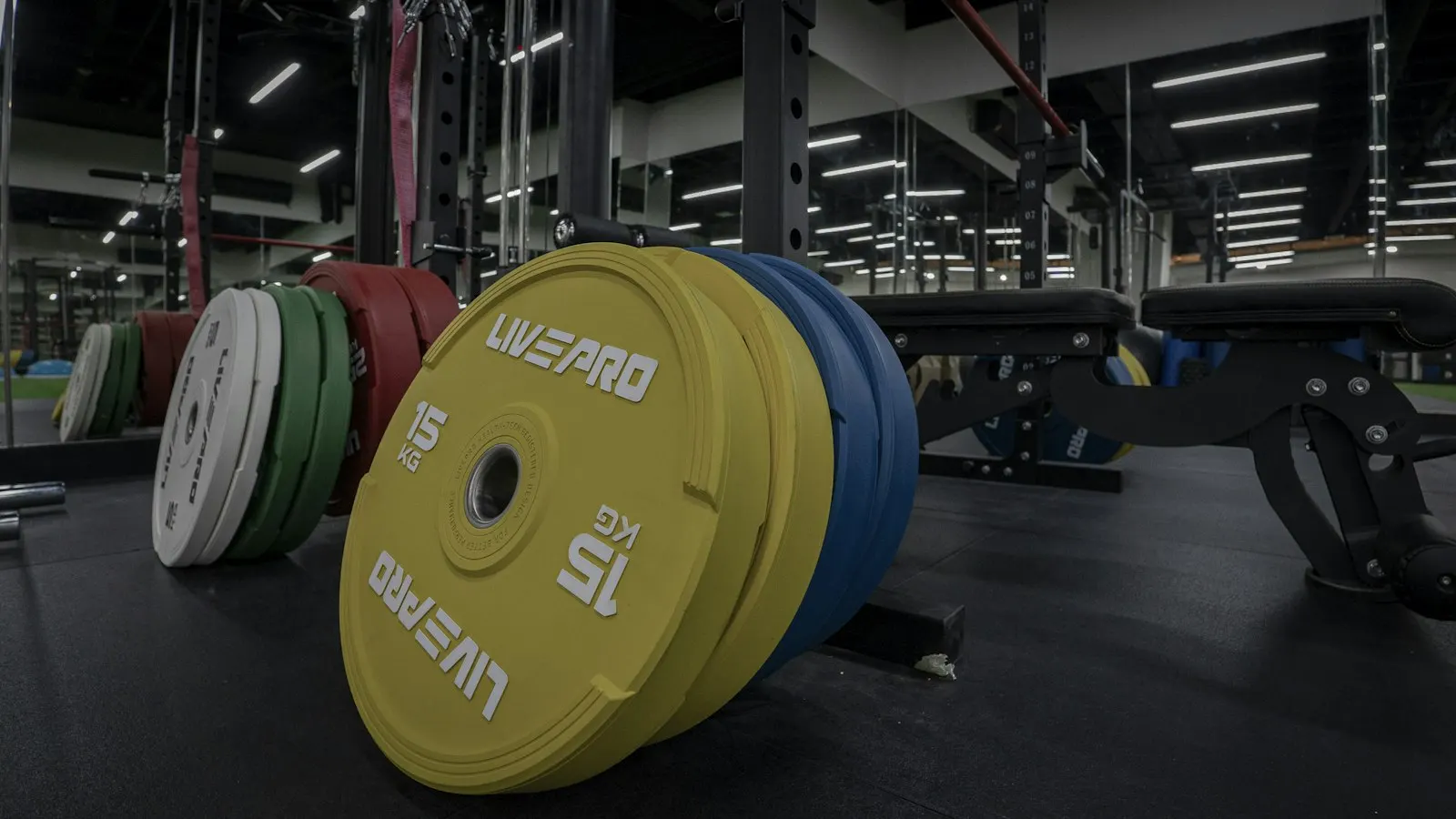
The two systems are not translations of each other; they are different equipment. A kilo gym stocks 25, 20, 15, 10, 5, 2.5 and 1.25 kg plates on a 20 kg bar. A pound gym stocks 55, 45, 35, 25, 10, 5 and 2.5 lb plates on a 45 lb bar.
That means the smallest jump differs too. In kilos you can add 2.5 kg to a bar, which is 5.5 lb. In pounds the practical smallest jump is 5 lb, which is 2.27 kg. Neither ladder lands on the other.
Pick a lane and stay in it
The workable answer is to log in the units of the gym you are actually standing in, and let the app hold both. Goldset converts what is already logged for display rather than rewriting it, so switching the unit in Settings changes what you read without touching what you recorded - and you can switch back without losing precision.
For a temporary trip, the simpler move is to accept the nearest loadable weight and note it. Two weeks at 225 lb instead of 100 kg will not undo anything. Two weeks of arithmetic in your head at the rack might.
A note on estimates
Estimated one rep maxes and strength standards are ratios, so they survive the change of units unharmed - the tier you sit at is the same in either system. It is only the loading that is awkward, and only at the moment you put plates on the bar.
Keep a record of your training
Start with free workout logging and all 449 exercises. Pro adds Automatic progressive overload and advanced analytics.